Best Planners for Busy Adults Over 40
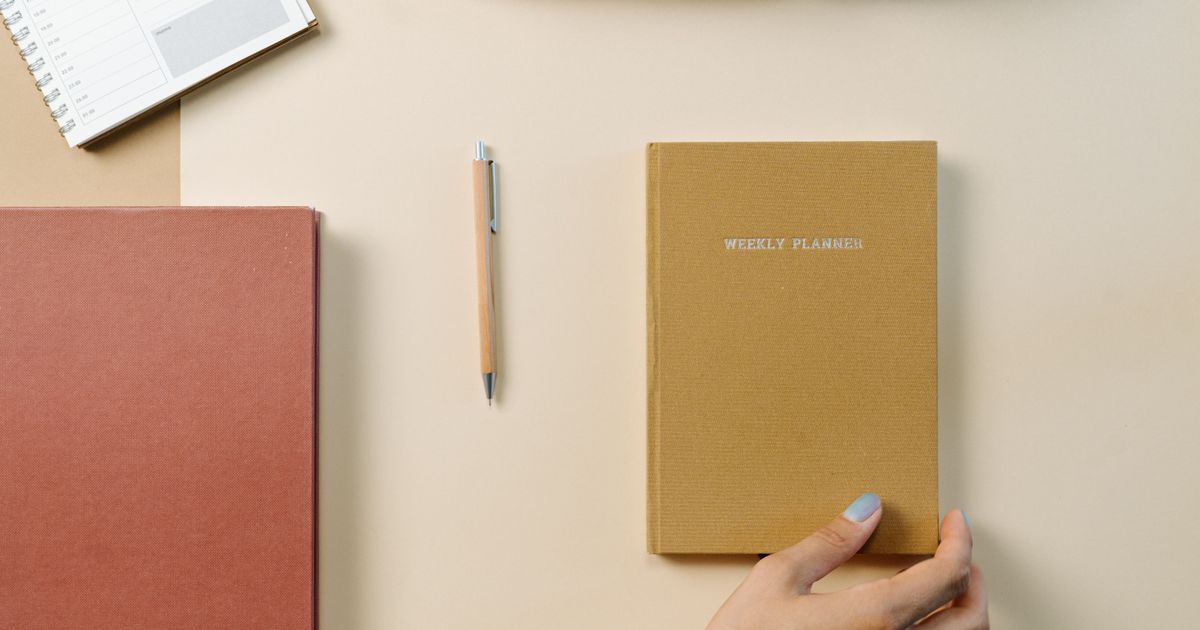
Choosing a planner after 40 is a little different. You likely have more responsibilities to juggle, less patience for tiny print and no interest in a system that takes a week to learn. The best planner is the one you’ll actually open every day.
Instead of ranking brands, this guide helps you pick the type of planner that fits how you live, then points to what to look for. You’ll find a comparison table, a short guide to each style, and a simple way to start using your planner so it doesn’t end up in a drawer. Some links on this page are affiliate links, which means I may earn a small commission at no extra cost to you. I only suggest things I’d be comfortable recommending to a friend.
The short version: choose a weekly layout with room to write, readable print, a lay-flat binding and a size you’ll carry. Skip anything that feels like homework.
What to look for in a planner
- Readable print. Check the font size and the ruled spacing. If you squint in the product photos, you’ll squint at home.
- Enough writing space. A week-on-two-pages layout is a good default for most adults.
- A lay-flat binding. Spiral or lay-flat stitching makes writing far more comfortable.
- Dated or undated. Undated planners forgive missed weeks. Dated ones give structure.
- Size. Bigger sits on a desk, smaller travels in a bag. Pick the one that matches where you plan.
- Paper quality. Thicker paper means less bleed-through from your pen.
- Simplicity. A few sections you use beat twenty you ignore.
Planner types at a glance
| Type | Best for | Watch out for |
|---|---|---|
| Weekly planner with time slots | People with appointments and fixed routines | Can feel cramped if you write a lot |
| Undated weekly planner | Anyone who skips weeks or starts mid-year | You write in the dates yourself |
| Daily planner with priorities | People who like a daily top-three approach | Bulkier, and a page per day adds up |
| Dotted or grid notebook | People who like to design their own layout | Needs a short setup session |
| Desk pad or wall planner | Home offices and family hubs | Not portable |
1. A weekly planner with time slots
Best for people with appointments and set routines. You see the whole week at a glance, with room for meetings, school runs and errands. Look for hourly or half-hourly lines and a notes column.
Who it suits: anyone whose week is shaped by a work schedule, appointments or family logistics. Trade-off: the time slots can feel restrictive if your days are more fluid.
Our pick for this style
Inamio 2027 Planner: Weekly & Monthly Hourly Appointment Book (8.5″)
$11.95 at the time of writing (price may change)
What we like
- Hourly time slots for every day of the week
- Weekly and monthly views in one book
- Rated 4.7 stars by over 1,000 buyers
Keep in mind: Dated for 2027, so it will not carry over to later years.
2. An undated weekly planner
Best if you sometimes skip a week or start mid-year. You write the dates yourself, so there are no blank pages from the days you missed. It’s also forgiving if you’re new to planning.
Who it suits: people who’ve abandoned planners before because of guilt over empty pages. Trade-off: a minute of setup each week to write the dates.
Our pick for this style
bloom daily planners Undated Weekly & Monthly Planner
$16.95 at the time of writing (price may change)
What we like
- Undated, so you can start any week of the year
- 60 weekly spreads with lined writing space
- 100gsm paper helps resist bleed-through, plus inside pockets
Keep in mind: Costs more than basic undated pads, and includes extra worksheets you may not use.
3. A to-do-focused daily planner
Best if you like the Daily Top 3 approach. Look for a daily page with a short priority list, a small schedule and a notes area. See Daily Top 3: A Simple Way to Plan Your Day for a simple method that fits these pages well.
Who it suits: people who think in days rather than weeks, or who want a clear daily focus. Trade-off: it’s thicker and heavier than a weekly planner.
Our pick for this style
Undated Daily Planner To-Do List Notepad, 6.5″ x 9.8″ (Spiral)
$7.99 at the time of writing (price may change)
What we like
- Daily schedule plus an important-tasks section on each page
- Undated, so a missed day costs nothing
- Rated 4.7 stars by over 5,000 buyers
Keep in mind: One page per day means 52 sheets go quickly if you plan every day.
4. A plain dotted notebook
Best if you like freedom. A dotted or grid notebook lets you build your own weekly spread. It costs less, and you only draw what you use. The trade-off is that you need to set up pages yourself.
Who it suits: people who like to customise and don’t mind a short setup session each week. Trade-off: if you’re short on time, a ready-made layout is quicker.
Our pick for this style
EMSHOI Dotted Journal Notebook, A5, 256 Pages, 120 GSM Paper
$13.99 at the time of writing (price may change)
What we like
- Lays flat at 180 degrees for comfortable writing
- Thick 120 GSM paper made to resist ghosting and bleed
- Hardcover with plenty of pages to build your own layouts
Keep in mind: You design every page yourself, so it needs a short setup session.
5. A desk pad or weekly wall planner
Best for a home office or family hub. A big pad you can see all day makes plans hard to forget. Pair it with a smaller notebook for details.
Who it suits: households that share a schedule, or anyone who benefits from seeing the week at a glance. Trade-off: it stays at home, so you’ll need another way to check your plans when you’re out.
Our pick for this style
ThreeKin Weekly Planner: 52-Sheet Tear-Off Desk Pad (8.5 x 11″)
$9.99 at the time of writing (price may change)
What we like
- Large 8.5 x 11 inch weekly layout that sits flat on a desk
- Undated, with a fresh sheet to tear off each week
- Thick paper that resists ink bleed
Keep in mind: A pad stays on your desk, so it is not meant for carrying around.
Planner accessories worth having
- A pen you enjoy writing with, because that matters more than you’d think
- Sticky tabs or a ribbon to mark the current week
- Small sticky notes for tasks that move around
- A pen loop or a small pouch, so your pen is always with your planner
Paper or digital?
If you’re still deciding, read Paper Planner vs Digital Planner. Many people end up with a hybrid: a calendar app for appointments and paper for daily priorities.
How to start using a new planner
- Fill in birthdays, appointments and fixed commitments first.
- Set up one weekly check-in, ideally the same day every week.
- Plan just the next day or two at first. Don’t try to fill months in advance.
- Give it a fair trial of three weeks before deciding it’s not for you.
A simple weekly routine with your planner
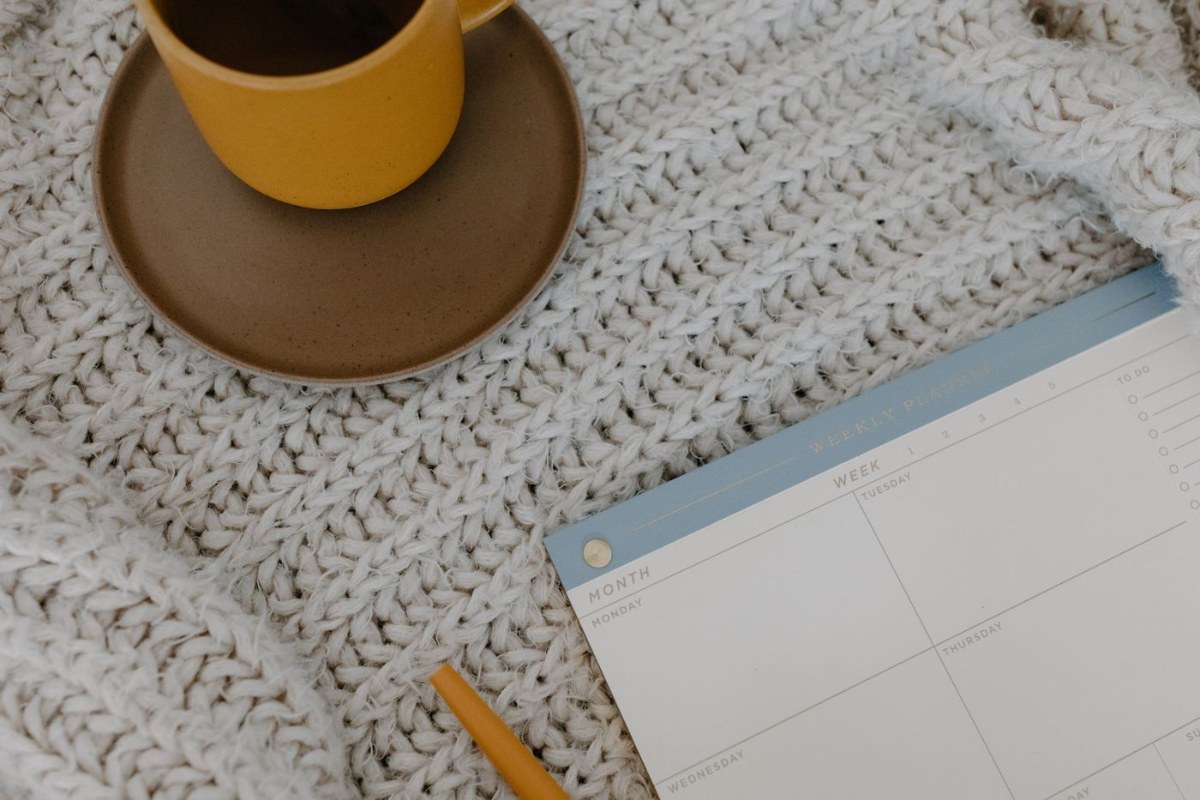
A planner only works if you open it. This 15-minute weekly routine keeps it useful without turning it into a chore.
- Sunday or Monday: look at the week ahead, add appointments and choose three priorities for the week
- Each morning or evening: spend two minutes picking the day’s top tasks
- Friday: glance back, cross off what’s done and move anything unfinished
- Once a month: look ahead at birthdays, bills and events so nothing surprises you
This pairs well with How to Run a Weekly Review, which walks through a short weekly check-in step by step.
Common planner mistakes
- Buying for the look. A beautiful planner you don’t use is a waste. Choose by layout and readability first.
- Filling every hour. Leave gaps. Planning every minute leads to stress and abandoned planners.
- Starting too big. Begin with appointments and three priorities, and add things only if you need them.
- Giving up after a missed week. Skip the guilt and pick up where you are. That’s why undated planners are popular.
- Using too many systems. One planner plus a calendar app is plenty.
Frequently asked questions
Is a planner worth it if I use my phone calendar?
Yes, for many people. A phone calendar is great for appointments, but paper is better for priorities, to-do lists and a sense of the week. Using both is common.
How much should I spend?
You don’t need to spend much. A mid-priced planner with good paper and a layout you like beats an expensive one that doesn’t suit you. Start simple and upgrade once you know what you want.
When is the best time to start?
Any time. January is popular, but starting now means you’ve built the habit before the new year. An undated planner makes this easy.
The bottom line
There’s no single best planner, only the one that suits your life. Start with the layout that matches how you already think, and keep it simple. A basic planner you use beats a beautiful one that stays in a drawer.
Enjoyed this? Get a calmer week, delivered
Occasional, no-fluff tips on planning your week, taming your to-do list and keeping home paperwork under control. No spam, and you can unsubscribe any time.